There’s something deeply satisfying about flipping a switch and having the room obey.
Got some lights working. Wired a few myself. Not bad for a man whose previous electrical résumé consisted mostly of “successfully plugs things in.” Now I’m shopping for sconces like I have opinions about ambiance.
I learned that you can still buy a plain old wall switch for 69 cents. Made in the USA. Sixty-nine cents to command electrons. That feels like stealing fire from the gods at a discount hardware store.
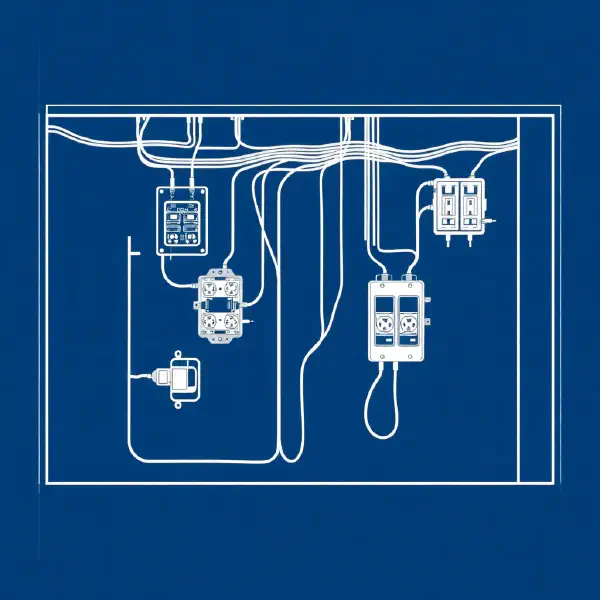
I also discovered I like working with wire. There’s a strange intimacy to it. Copper veins. Plastic skin. You strip, twist, secure, and—if you’ve done your homework—light happens. If you haven’t, sparks happen.
I very nearly met my ancestors when I stuck a probe into a switch the wrong way. There’s a particular hum that electricity makes when it’s reminding you who’s in charge. Not dramatic. Just enough to reset your respect for physics.
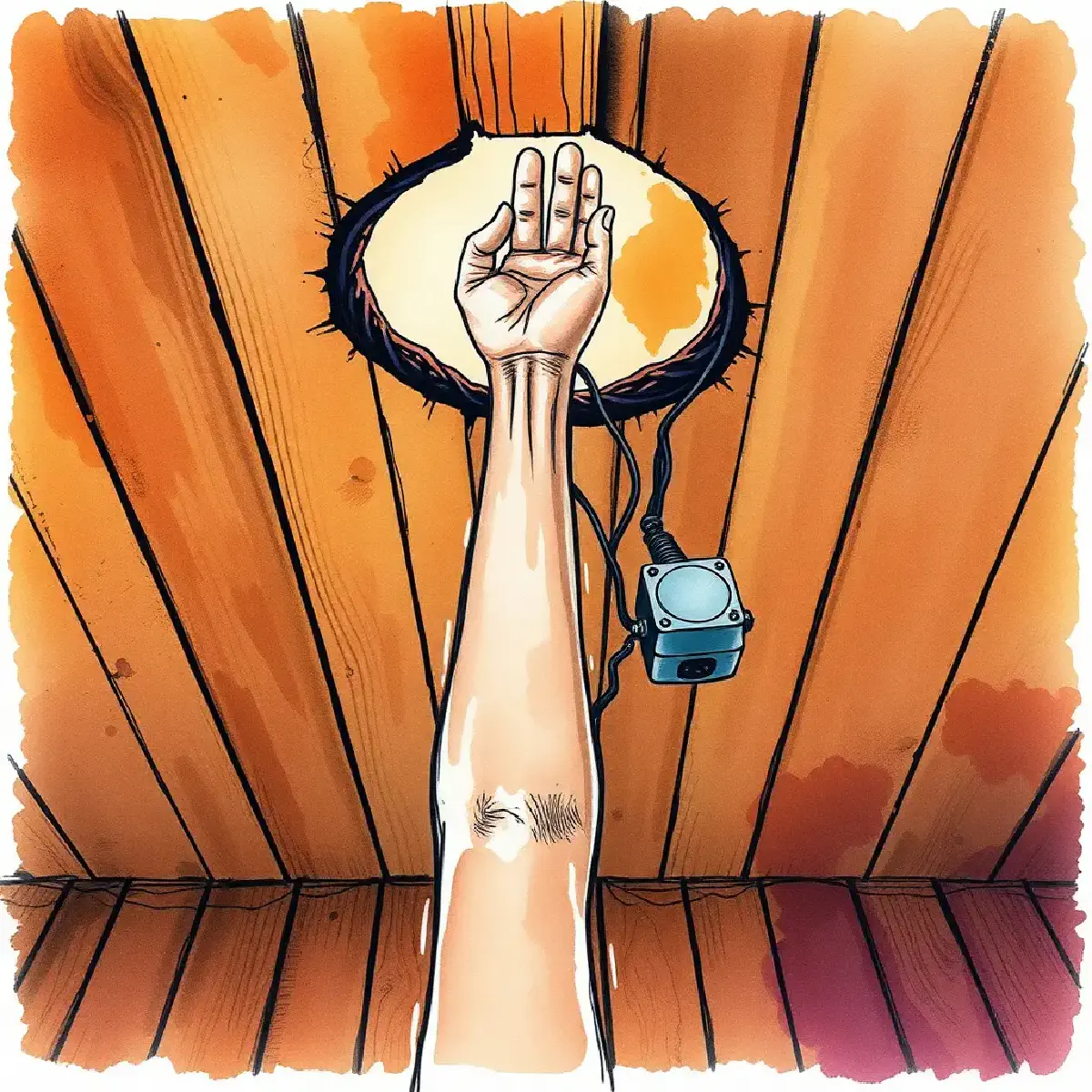
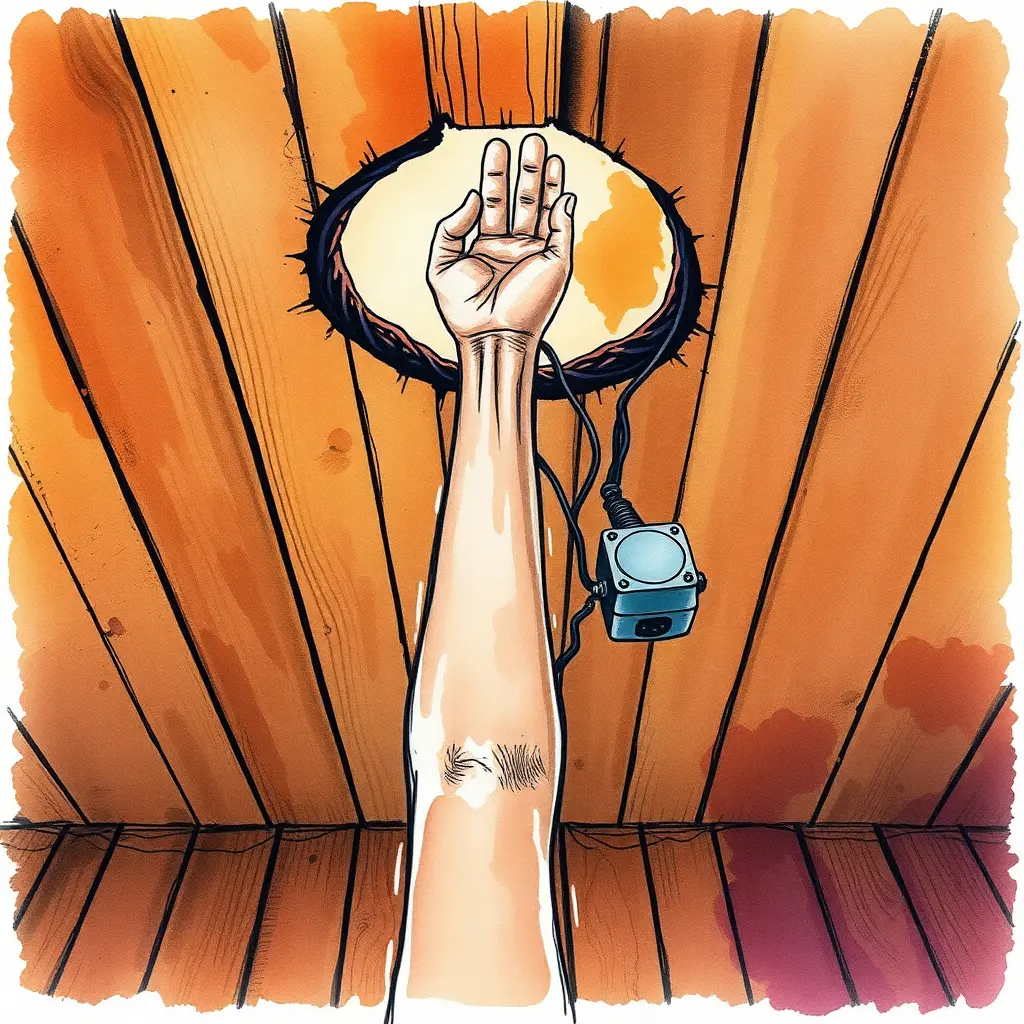
I got my hands dirty. Literally. There is something primal about shoving your bare arm into a freshly drilled ceiling hole and groping around in the dark, fingertips searching for a cable you hope is there and hope is not alive. Renovation as blind archaeology.
The best part? My hovel leveled up. I can now see. This includes, unfortunately, the precise location of mouse turds. Enlightenment has its costs.
Wiring forces decisions. Where should the light fall? What gets illuminated? Once you cut and staple and close the wall, you’re mostly committed. Houses, like lives, harden around early choices.
Electricity is probably the single greatest upgrade housing ever received. And yet here we are, a century later, still wandering from room to room poking little plastic levers like Victorian butlers managing gas lamps. We route rivers of electrons across continents only to flip them on and off with a thumb.
I’m not keeping that arrangement. Dimmers. Scenes. A little automation. Light that responds instead of merely complies. It might even pay for itself in saved watts and improved mood.
Then there’s the larger absurdity: housing itself. Stacks of wood, hand-cut, hand-nailed, slowly rotting in the dark. We build shelter like medieval carpenters and act surprised when it’s expensive. Factories could do this cleaner, faster, saner. Deliver it in pieces. Snap it together. Let more people own something solid.
And the straight lines. The right angles. As if the universe were drafted by an accountant.
Doors everywhere. Hallways, bedrooms, bathrooms, cabinets. Hinged partitions announcing: This space is mine. Privacy is holy. Silence is enforced. It says something about us. Something rigid. Something guarded.
More on that when I’ve wired another circuit and survived to tell the tale.
For now, there is light in the kitchen. And I’m the one who invited it in.