Overview#
Every field has its dogmas — the confident claims that get repeated until they feel like facts. Pushback Jack is a video series dedicated to poking holes in them.
Not to be contrarian. To be honest.
What It Is#
Pushback Jack is an animated character who delivers short, punchy rebuttals to overconfident claims — in AI, business, culture, wherever the BS is thick enough to deserve it.
Each episode takes a handful of real, widely-repeated assertions and gives them the scrutiny they deserve. The format is simple: claim, pushback, next. No long essays. No hedging. Just a lumberjack with a point of view and a stack of index cards.
Episode one took on the AI hype cycle — the claims that AI will replace coders, that it’s already smarter than humans, that every company needs an AI strategy or they’ll be left behind. Jack had thoughts.
The Show#
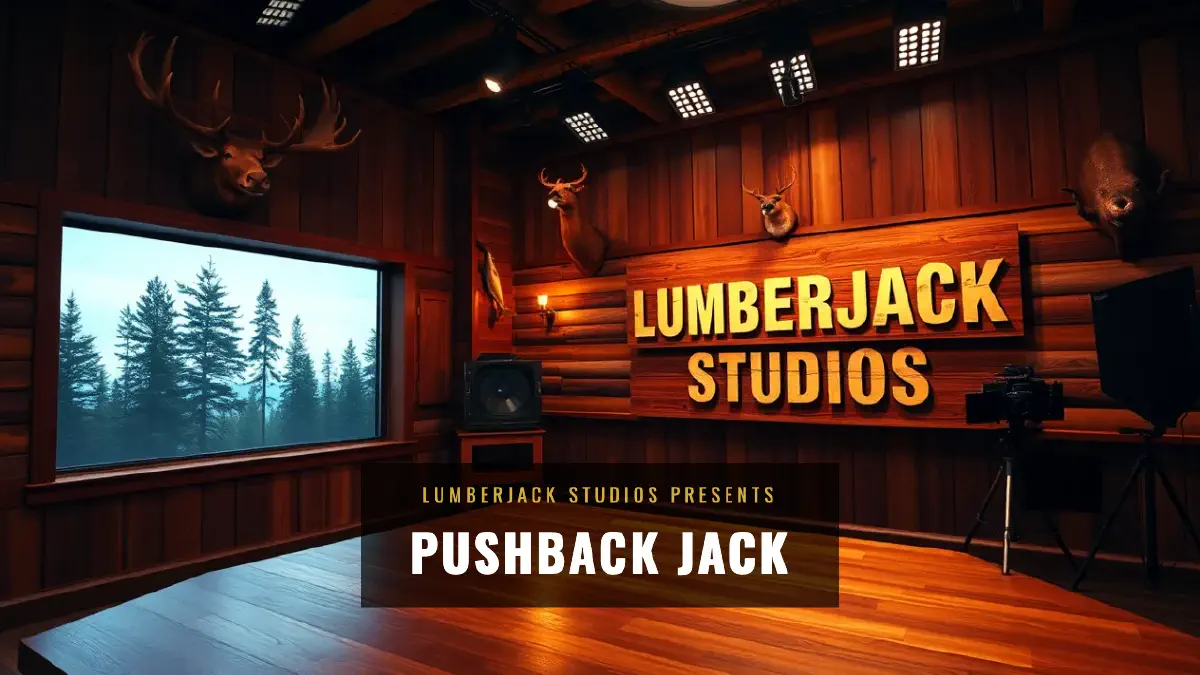
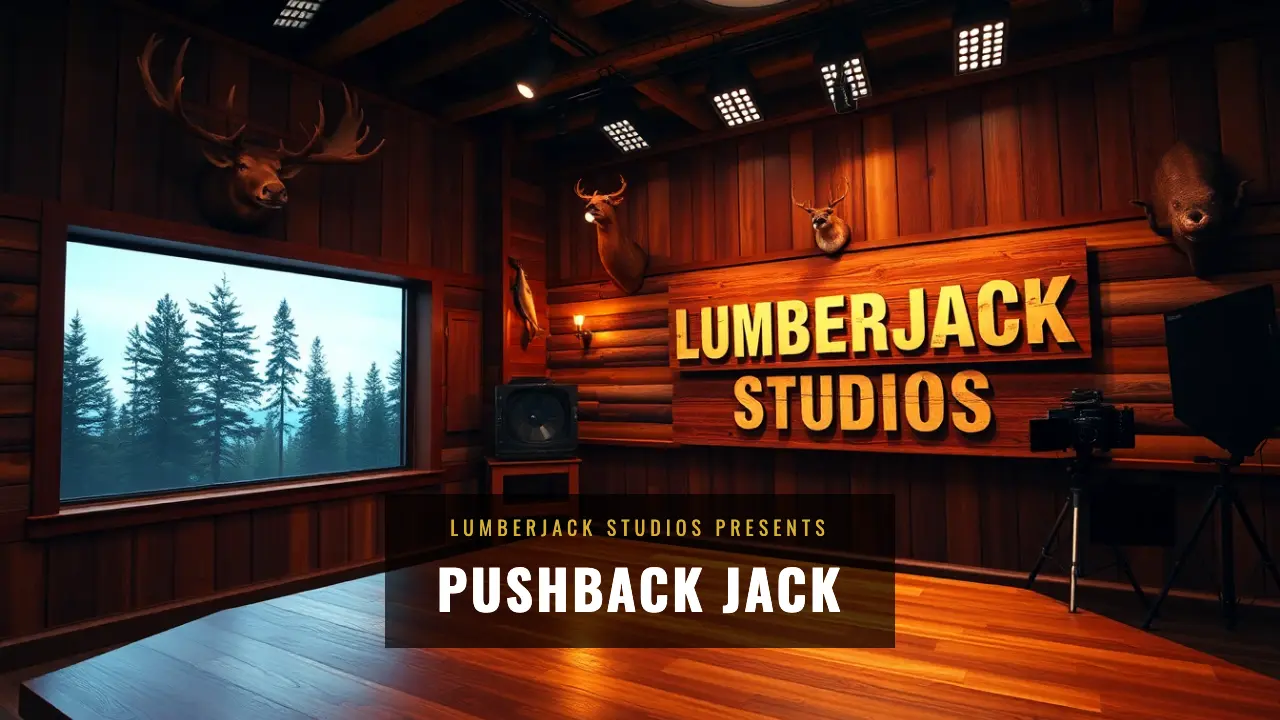
Produced at Lumberjack Studios. Built with Remotion for the text compositing and CreateStudio for Jack himself. The workflow is part of the project — an AI-assisted production pipeline that keeps episodes fast to produce without sacrificing the craft.
Read the origin story: The Department of Skirmishes →
Status#
Active. More episodes coming. More dogmas to push back on.
Project Status: Active