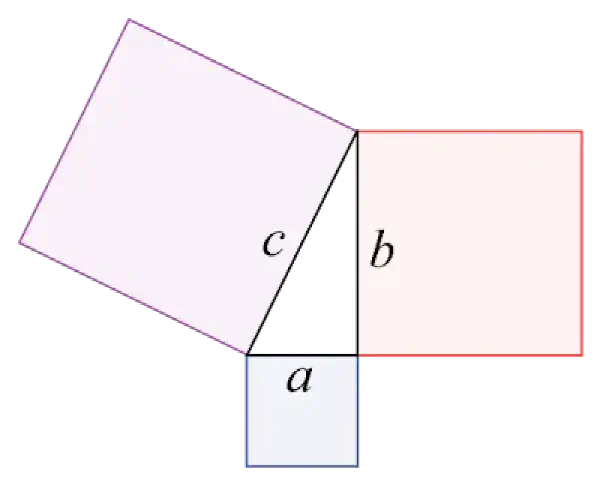
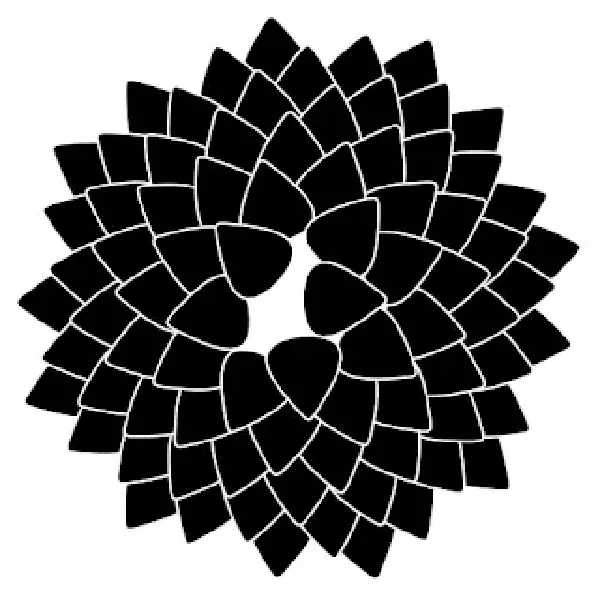
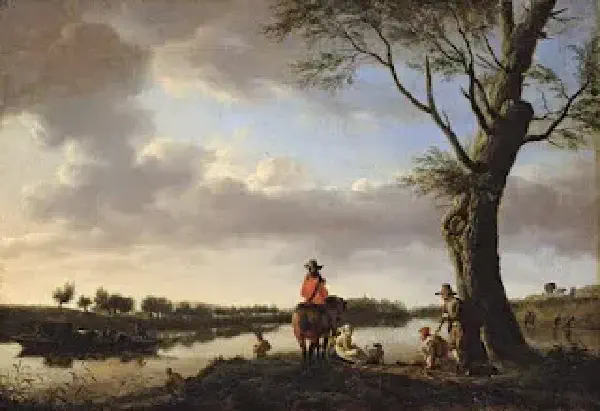
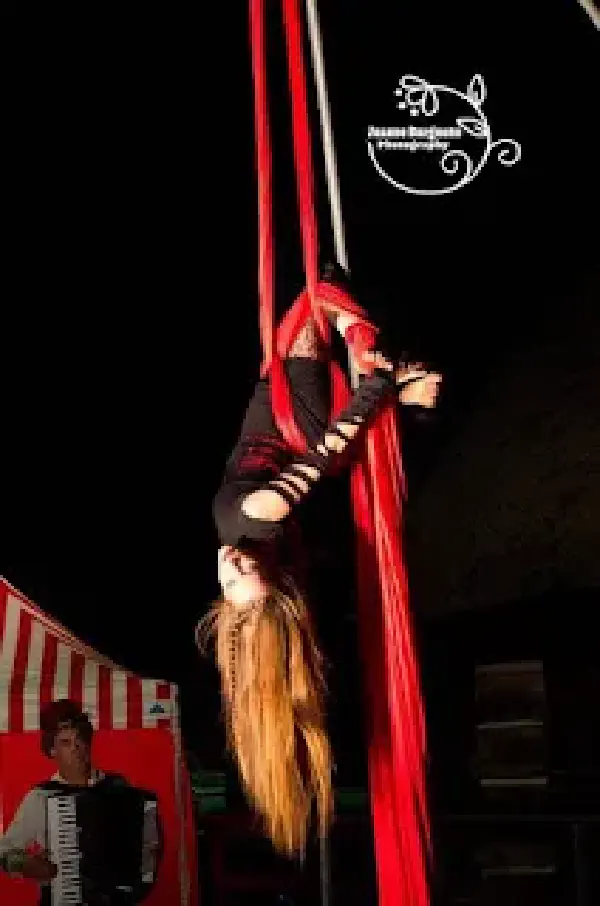
Let’s use math to draw pictures, shall we? There is a wonderful world out there of representing patterns in nature, especially flowers, in mathematical terms. Ever gazed into a sunflower? I hope so. I’m learning and exploring as I go along here, so I’ll start with simple circle plots and move on from there. But where to start? How about Pythagorus?
Can there be beauty in math? I think so. I want to experiment with this idea for awhile. So, here goes a new series: The Beauty In Numbers. I’m going to off on a tangent (!) and study mathematics and art together.
"… it’s Ok for our hearts to be broken over the world. What else is a heart for? There’s a great intelligence there. We’ve been treating the earth as if it were a supply house and a sewer. We’ve been grabbing, extracting resources from it for our cars and our hair dryers and our bombs, and we’ve been pouring the waste into it until it’s overflowing, but our earth is not a supply house and a sewer. It is our larger body. We breathe it. We taste it. We are it, and it is time now that we venerate that incredible flowering of life that takes every aspect of our physicality."
*as my imagination strengthens, that I do not live in this world alone but in a thousand worlds. *(John Keats)
Work?
I don’t have to work.
I don’t have to do nothing
but eat, drink, stay black, and die.
This little old furnished room’s
Yet beauty’s visitation affects us and invites us into its rhythm, it calls us to feel think and act beautifully in the world: to create and live a life that awakens the Beautiful. A life without delight is only half a life. Lest this be construed as a plea for decadence or a self-indulgence that is blind to the horrors of the world, we should remember that beauty does not restrict its visitations only to those whom fortune or circumstances favour. Indeed, it is often the whispers and glimpses of beauty which enable people to endure on desperate frontiers.
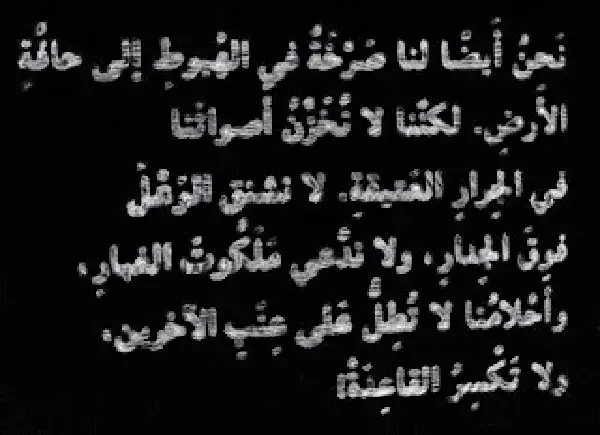
We, too, cry falling to the edge of
the earth. But we don’t store our voices
in old jars. Nor hang mountain goats
We know that sound results from the vibrations of air molecules moving through the air to our eardrums, that the speed of those vibrations is referred to as frequency, measured in Hertz, and that pitch is the relative highness or lowness of a sound. But what is music?
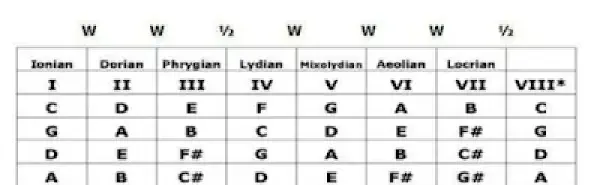
Learning the names of the modes (why are they sometimes called the church modes?).
So weird.
Making a smart flashcard deck. DPLMAL is a mnemonic.
Again, weird that I haven’t learned this by now. So, here we go. First I want to learn the Pentatonic Scales all over the neck.